Rethinking Human Exceptionalism: How Respecting Animal Consent Improves Training
When training or living with animals, it is easy to view their behavior exclusively through a human lens. However, examining our own assumptions – particularly the concept of human exceptionalism – can provide fresh perspective on how we structure our training environments and relationships with our learners.
Human exceptionalism is the worldview that human beings possess a uniquely superior status relative to other species. In animal training, this mindset can unintentionally lead us to prioritize human convenience, comfort, and control over the genuine welfare and behavioral needs of the animal.
By questioning these assumptions and actively exploring concepts of autonomy and consent, we can empower ourselves to build more cooperative, ethical, and effective training practices.
3 Key Insights on Autonomy and Consent
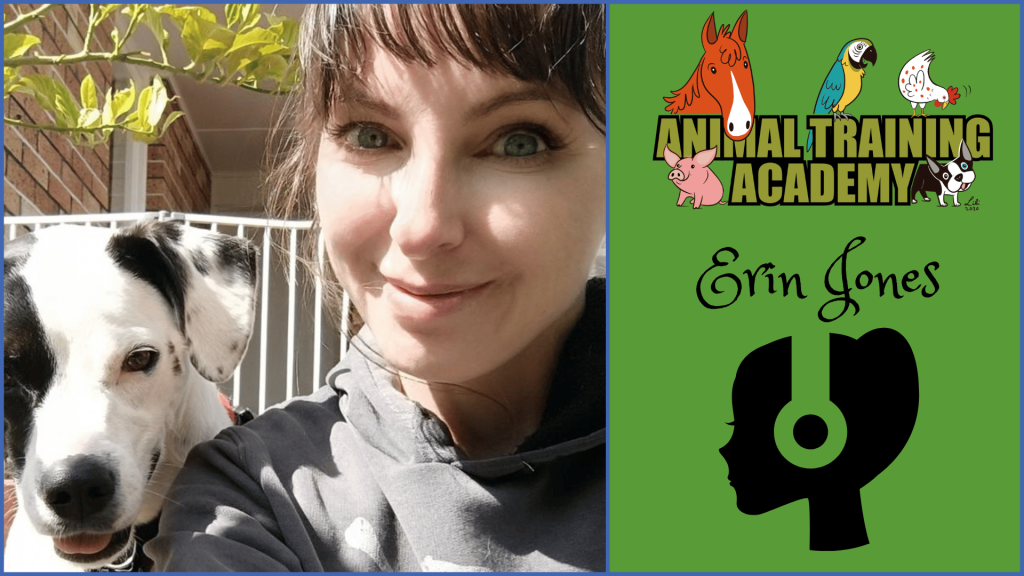
These themes were recently explored on the Animal Training Academy podcast with Erin Jones, author of Constructing Canine Consent. Below are three foundational insights that emerged from that discussion.
1. Cultural Variations in Autonomy
Around the world, different cultures approach dog guardianship in varied ways. While dogs in Western urban settings are often kept under strict physical restraint and rigid schedules, millions of free-roaming and village dogs globally enjoy broad freedom of movement and self-directed activity. Examining these cultural differences allows us to ask important questions about how human-imposed restrictions may impact an animal’s stress levels, natural behaviors, and overall quality of life.
2. Re-evaluating Human-Animal Dynamics
Traditional training models often place the human in a dominant, superior role. Shifting away from this dynamic does not mean abandoning safety or structure; rather, it means moving toward a relationship based on cooperation and clear communication. When we recognize our animals as individual learners with their own agency, we can better identify where our management practices might be unnecessarily restrictive.
3. Consent as Clear, Two-Way Communication
In practical training, respecting consent means offering animals meaningful choices and honoring their answers. Using clear “opt-in” and “opt-out” mechanisms – such as start-button behaviors or allowing an animal to move away – demonstrates to the learner that their feedback matters. This reduces frustration, fosters predictability, and deepens trust between handler and animal.
Exploring “Constructing Canine Consent”
In her book, Constructing Canine Consent, Erin Jones explores how trainers and guardians can integrate choice into daily routines and training plans. Key topics include:
The behavioral impacts of human restrictions on companion animals.
Recognizing communication breakdowns between humans and dogs.
Practical methods to safely introduce agency and choice into domestic environments.
Resources for Further Learning
If you are interested in exploring how consent, choice, and autonomy can improve your training mechanics and relationship with your animal:
Listen to the Podcast Episode: Hear our detailed conversation with Erin Jones on the Animal Training Academy podcast
Browse the Free Archive: Explore over 235 free podcast episodes featuring trainers, researchers, and behavior consultants HERE
Join the ATA Community: If you would like to participate in our ongoing book club discussions, live author Q&A sessions, and educational workshops, you can explore the Animal Training Academy with a 30-day trial membership HERE